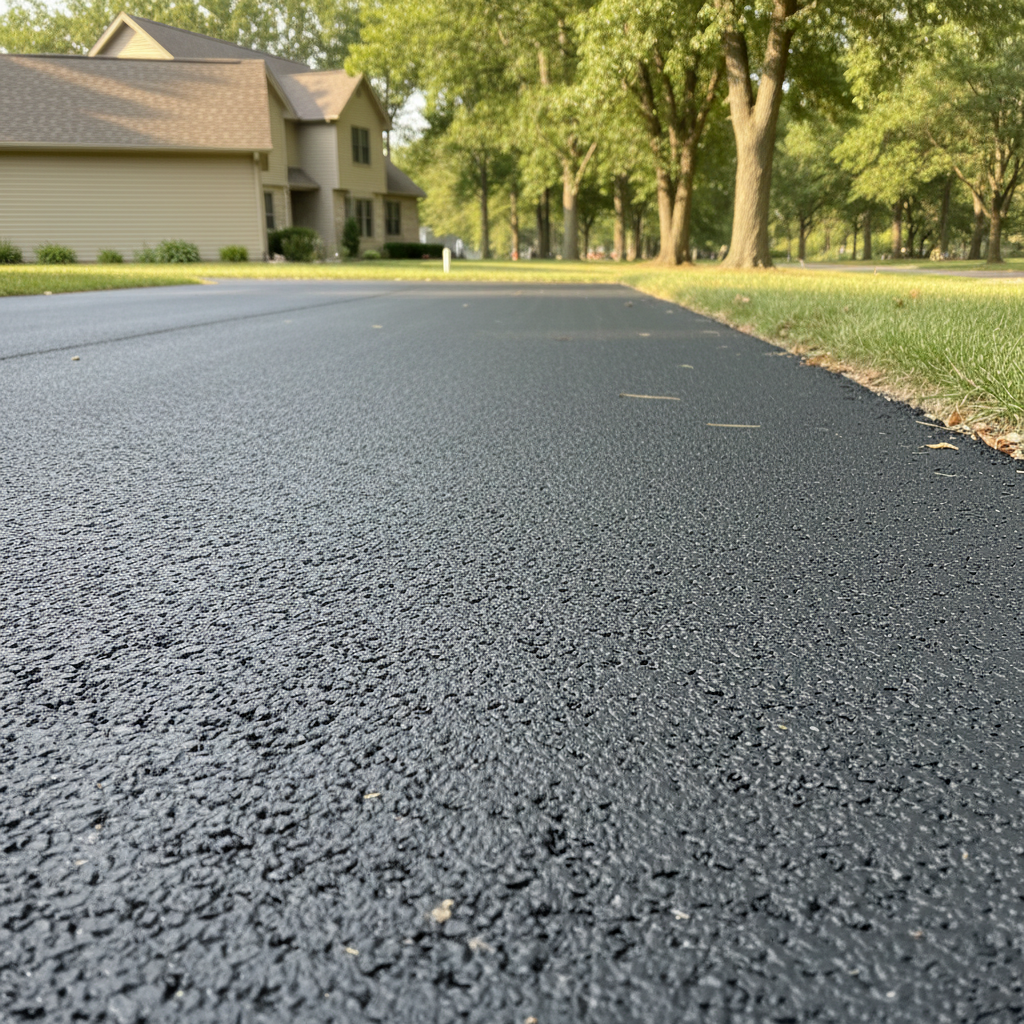
Alright, let's talk asphalt. You might be thinking, 'Commercial asphalt for my home?' And that's a fair question. But when I talk about 'commercial asphalt' for homeowners, I'm really talking about getting a durable, long-lasting surface that stands up to our Central Illinois weather, whether it's for your driveway, a parking pad, or even a basketball court. It's about using the right stuff and doing it right the first time.
I've seen a lot of driveways come and go in Le Roy over the years. Some folks try to cut corners, and it always shows. Others invest a little more upfront, and their asphalt looks great for decades. So, if you're considering an asphalt project around your home, here's what you really need to know.
Before the Shovels Hit the Ground: Planning Your Project
This is where you can save yourself a lot of headaches and money. Don't skip this part.
- Know Your Needs: Is this just for a car or two? Do you have an RV or a heavy truck? The amount of traffic and weight your asphalt will bear dictates the base and thickness you'll need. A small, light-use driveway is different from a large parking area that sees heavy equipment.
- Drainage is King: Seriously, water is the enemy of asphalt. You need to think about where the water will go. Will it drain away from your house? Will it pool in certain spots? We're not dealing with a lot of crazy hills here in Le Roy, but even a slight grade can make a huge difference. A good contractor will plan for proper slope and drainage. You can walk your property with a hose and see where water collects – that's a good starting point for your own assessment.
- Budget Realistically: Asphalt isn't cheap, but it's an investment. Get a few quotes. Don't just go with the lowest bid without understanding why it's so low. Sometimes, that means they're cutting corners on materials or prep work, and you'll pay for it later.
- Permits: For most residential driveways, you probably won't need a permit from the city of Le Roy, especially if you're just replacing an existing surface. But if you're expanding significantly, changing drainage patterns that affect public property, or adding a new access point, it's always smart to check with the city office first. A quick phone call can save you a lot of trouble.
During the Project: What to Watch For
Once you've picked a contractor (hopefully someone local and reputable, like Classic Asphalt Solutions), the work begins. Here's what good work looks like:
- Proper Base Preparation: This is the most critical step. If the base isn't solid, compacted, and well-drained, your asphalt won't last. You should see them excavating, laying down a good layer of crushed stone (usually 6-8 inches for a residential driveway), and compacting it thoroughly. You don't want soft spots.
- Quality Materials: Good asphalt mix is key. It should look uniform, not chunky or inconsistent. The temperature matters too; it needs to be hot enough to be workable but not so hot it burns off the oils.
- Thickness: For most residential driveways, you're looking at 2-3 inches of compacted asphalt on top of that solid base. If someone tells you they're putting down less, be wary.
- Compaction: After the asphalt is laid, it needs to be compacted with heavy rollers. This makes it dense and durable. You should see them making multiple passes.
- Edges: The edges of your driveway are often the first place to show wear. They should be well-compacted and have a clean, finished look.
What can you do yourself during this phase? Not much, honestly, unless you're a heavy equipment operator. Your job is to observe, ask questions, and make sure the work aligns with what was agreed upon. Don't be afraid to speak up if something looks off.
After It's Done: Protecting Your Investment
The work's done, it looks great. Now what? You've got to take care of it.
- Stay Off It: This is a big one. Fresh asphalt needs time to cure. Your contractor will tell you how long, but generally, stay off it for at least 2-3 days, and avoid parking heavy vehicles on it for a week or more. Don't turn your steering wheel sharply while stationary on new asphalt; it can leave scuff marks.
- Sealcoating: This is like sunscreen for your driveway. Sealcoating protects the asphalt from UV rays, water penetration, and oil spills. I recommend sealcoating about a year after installation, and then every 2-3 years after that, depending on traffic and how much sun it gets. It's a relatively inexpensive way to extend the life of your driveway significantly.
- Crack Repair: Small cracks happen. It's just a fact of life with asphalt, especially with our freeze-thaw cycles here in Le Roy. Address them quickly. Don't let them turn into potholes. You can buy crack filler at most hardware stores and do this yourself for minor cracks. Just make sure the crack is clean and dry before you apply it.
- Cleaning: Keep your driveway clean. Sweep off dirt and debris. Clean up oil and gas spills immediately, as they can break down the asphalt binder.
So, when do you call a pro after the project? For sealcoating, bigger crack repairs, or any significant damage. While you can do small crack fills yourself, a professional sealcoat job will be more uniform and effective. If you see widespread cracking, potholes forming, or significant drainage issues, that's definitely a job for someone like us at Classic Asphalt Solutions.
Taking care of your asphalt isn't rocket science, but it does require a little attention. Do it right, and your driveway will serve you well for many years to come.