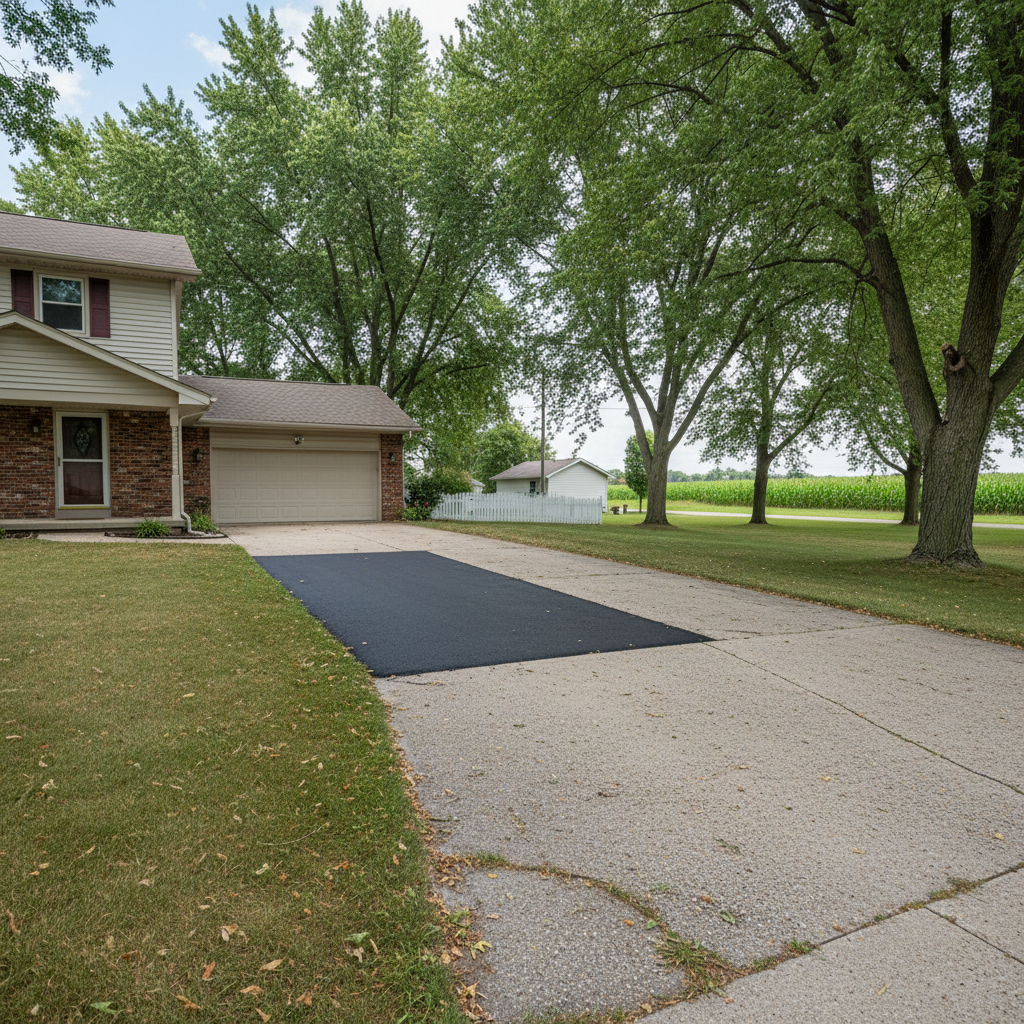
So, you've got some asphalt that's seen better days. Maybe it's just a few cracks spiderwebbing across your driveway, or a pothole that's become a real ankle-twister. You're thinking about patching it up, and that's smart. Ignoring those small issues now just means bigger, more expensive problems later, right? But before you jump in, let's talk about how to plan this out so it goes smoothly.
Understanding the Timeline for Asphalt Patching
People often ask me, "How long does this whole thing take?" The truth is, it varies, but I can give you a general idea. First, there's the initial contact and estimate. That usually happens pretty quickly, within a few days of you reaching out. We'll come out, take a look at the damage, and give you a clear quote.
Once you approve the quote, scheduling is the next big step. This is where weather plays a huge role, especially here in Central Illinois. We can't lay asphalt patching in freezing temperatures or heavy rain. Ideal conditions are usually above 50 degrees Fahrenheit and dry. So, if you call us in early spring, we might be looking at a few weeks out, depending on our current schedule and Mother Nature's mood. Summer and early fall are usually prime time, but also our busiest. Generally, from the time you say "go" to the actual work starting, you're looking at anywhere from 1 to 4 weeks – sometimes a bit more if it's peak season or we're battling a lot of rain.
The actual patching work itself? For most residential driveways or smaller commercial lots, it's often a one-day job. Sometimes, for larger areas or more complex repairs, it might stretch into two days. After we're done, you'll need to stay off the patched area for at least 24-48 hours, sometimes longer if it's a deep patch or very hot out. We'll give you specific instructions on site, of course.
What to Expect During the Process
When my crew from Classic Asphalt Solutions shows up, here's what you'll typically see:
- Preparation is Key: We don't just dump new asphalt on top of old. We'll clean the area thoroughly, removing loose debris, dirt, and any standing water. If it's a pothole, we'll often cut out the damaged section to create a clean, stable edge. This ensures the new patch bonds properly.
- Tack Coat Application: This is a sticky liquid asphalt emulsion that acts like a glue between the old pavement and the new patch. It's crucial for a long-lasting repair.
- Hot Mix Asphalt: We'll bring in fresh, hot asphalt mix. Our guys will shovel and rake it into the prepared area, making sure it's evenly spread and at the right thickness.
- Compaction: This is where the magic happens. We use vibratory plate compactors or rollers to compress the new asphalt. This removes air pockets and makes the patch dense and durable. You'll see us go over it several times to get it just right.
- Finishing Touches: We'll make sure the edges are clean and the patch blends as smoothly as possible with the surrounding pavement. It won't be invisible – new asphalt always looks a bit different from old, weathered asphalt – but it'll be solid and functional.
How to Prepare Your Property
You don't need to do much, but a little preparation on your end helps us do our job efficiently:
- Clear the Area: Move any vehicles, trash cans, planters, or anything else that might be on or near the asphalt we're working on. We need clear access.
- Mark Sprinklers/Obstacles: If you have any hidden sprinkler heads, landscape lighting, or buried dog fences near the repair area, please mark them clearly. We're careful, but it helps to know exactly where they are.
- Communicate: If you have any specific concerns or requests, let us know before we start. We're here to help.
- Keep Kids & Pets Away: Asphalt is hot, and our equipment can be dangerous. For everyone's safety, please keep children and pets a safe distance away from the work area.
Questions to Ask Before Signing a Contract
Before you commit to any contractor, including us, you should always feel comfortable asking questions. Here are a few I'd recommend:
- What's included in the price? Make sure the quote covers everything from prep to cleanup. Are there any potential hidden fees?
- What kind of asphalt mix do you use? For patching, we typically use a hot mix asphalt designed for durability. It's good to know they're not cutting corners with cold patch for anything more than a temporary fix.
- How do you prepare the area for patching? As I mentioned, proper prep is huge. You want to hear about cleaning, cutting out damaged sections, and tack coat.
- What's your warranty on the work? A reputable contractor will stand behind their work. We certainly do.
- Can you provide references? Any good local business, like Classic Asphalt Solutions, should be happy to provide references from satisfied customers right here in Le Roy or nearby towns.
- Are you licensed and insured? This is non-negotiable. You want a contractor who carries proper insurance to protect both their crew and your property.
Getting your asphalt patched doesn't have to be a headache. With a little planning and knowing what to expect, you can get those repairs done right and extend the life of your pavement. We're always here if you have more questions or need an estimate.