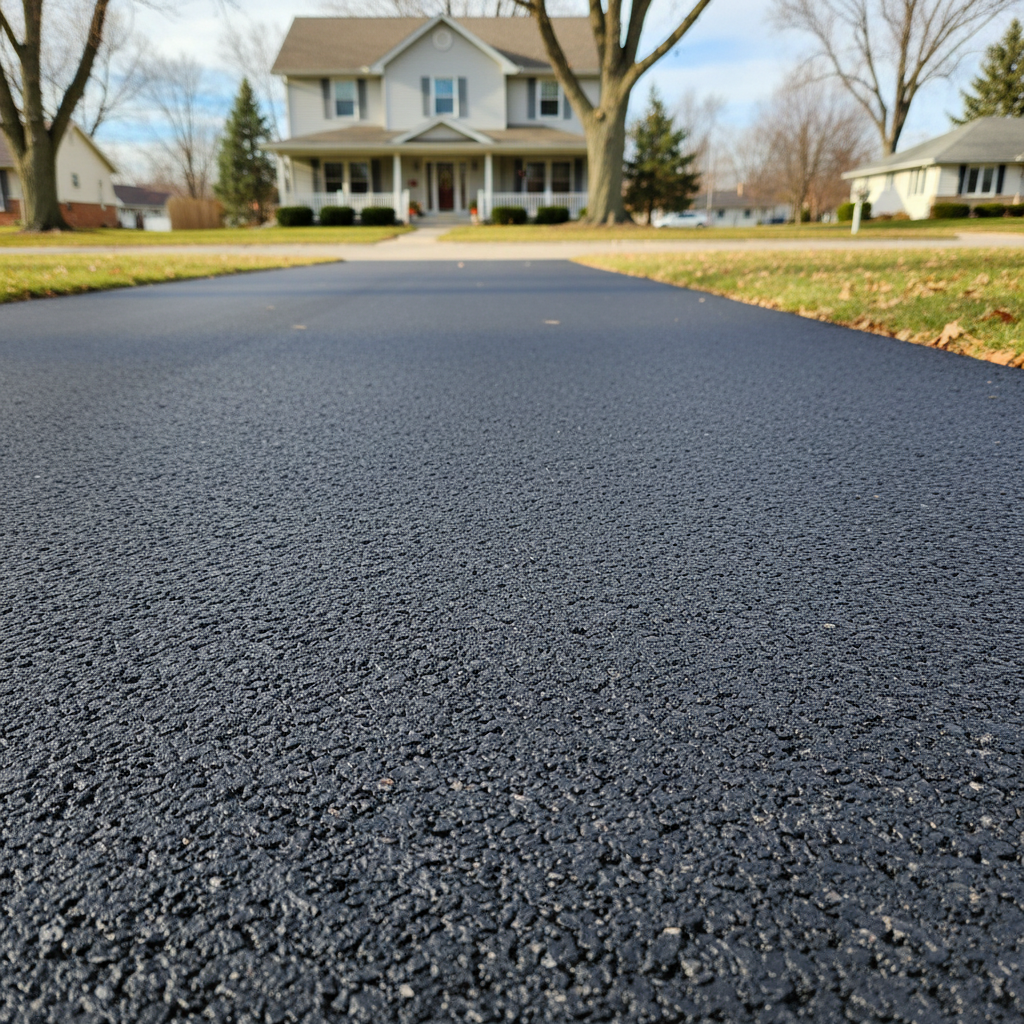
You're probably thinking about putting in a new parking area or maybe fixing up a big one you've already got. It's a pretty big project, and honestly, I get a lot of questions from folks right here in Le Roy about what's actually involved. So, I figured I'd just lay out some of the most common ones I hear and give you straight answers. No fancy talk, just what I've learned doing this work for years.
What's the first step for a new parking lot project?
Before anything else, you really need a good plan. That means figuring out exactly where you want it, how big it needs to be, and what kind of traffic it'll actually see. Is it just for a couple of family cars, or are you expecting heavier vehicles, maybe for a home business? This initial planning stage is super important because it dictates everything else, from the base material we use to how thick the asphalt needs to be. I'll often come out and just talk through the layout with you, looking at drainage, existing landscaping, and how it connects to your current driveway or road. We'll mark it out, get a clear picture of the whole scope, and that's usually when I can give you a pretty solid estimate.
How long does a new asphalt parking lot typically last?
A well-installed asphalt parking lot, if you maintain it properly, should give you a good 15 to 20 years, sometimes even more. But that comes with a few big "ifs." It really depends on the quality of the initial installation – a strong, well-compacted base is absolutely essential. It also depends on the amount and type of traffic it handles. Heavy trucks, for instance, will wear it down faster than just passenger cars. And then there's maintenance: regular sealcoating every 2-3 years, fixing cracks as they pop up, and keeping it clean. Neglect these things, and you'll be looking at repairs or replacement a lot sooner. Think of it like your car; you wouldn't expect it to last without oil changes, right?
What causes cracks and potholes in parking lots, and how do you fix them?
Cracks and potholes are usually a sign of trouble, and they've got a few common culprits. Water is the biggest enemy. When water gets into tiny cracks, it freezes and expands in the winter (and we certainly get our share of freeze-thaw cycles here in Central Illinois), pushing the asphalt apart. Then it thaws, leaving a bigger void. Repeat that a few times, and boom, you've got a pothole. Poor drainage, a weak base layer, or just old, brittle asphalt can also contribute. For cracks, we'll clean them out thoroughly and fill them with a hot rubberized sealant. Potholes are more involved; we typically cut out the damaged section, make sure the base is solid, and then fill it with new hot asphalt, compacting it properly. It's not just throwing some cold patch in there; that's a temporary fix at best.
Do I need to worry about drainage for my parking lot?
Absolutely, you do. Drainage isn't just a "nice-to-have"; it's fundamental to how long your parking lot will last. If water sits on the surface or, worse, seeps into the base, you're going to have problems. We design the lot with a slight slope, usually just enough so water runs off naturally to a grassy area, a drain, or a ditch. Sometimes, for larger lots or specific property layouts, we might need to install catch basins or French drains. Ignoring drainage is like building a house without a roof – it's just asking for trouble down the line. Especially with the clay soil we often deal with around Le Roy, proper drainage is even more critical to prevent water from saturating the subgrade.
How long after paving can I drive on my new parking lot?
This is a common question, and the answer is usually 24 to 48 hours. Fresh asphalt needs time to cool and cure. It's hot when it goes down, and while it looks solid, it's still soft and pliable. Driving on it too soon, especially with heavy vehicles or making sharp turns, can cause ruts, tire marks, or even displace the asphalt. I always tell folks to give it at least a full day, two if you can manage it, especially if the weather is really hot. We'll give you a precise timeframe when we finish up, but patience here pays off in the long run for a smooth, durable surface.
What's the difference between asphalt overlay and full depth replacement?
These are two different approaches to fixing an existing parking lot. An overlay, sometimes called "resurfacing," is when we put a new layer of asphalt directly over your existing, but still structurally sound, pavement. It's a more cost-effective option if your base is good and you only have surface-level issues like minor cracking or fading. We'll clean the old surface, apply a tack coat for adhesion, and then lay down 1.5 to 2 inches of new asphalt. Full depth replacement, on the other hand, means we completely remove the old asphalt, re-grade and compact the base, and then lay down all new asphalt layers. This is necessary when the existing pavement is severely deteriorated, has major structural failures, or the base itself is compromised. It's a bigger job, but sometimes it's the only way to get a lasting fix. We'll always assess your lot to recommend the best option for your situation, whether it's a simple fix or a complete overhaul from Classic Asphalt Solutions.
How often should I sealcoat my parking lot?
For residential parking lots, I generally recommend sealcoating every 2 to 3 years. Sealcoating isn't just about making it look nice and black again; it's a protective layer. It shields the asphalt from UV rays, which can dry out the binders and make it brittle, and from spills like oil and gas. It also helps to fill in small surface cracks, preventing water from getting in and causing bigger problems. Think of it as sunscreen and a protective coating for your pavement. Regular sealcoating is one of the most important things you can do to extend the life of your parking lot and keep it looking good.
Can I do some of the prep work myself to save money?
I get this question a lot, and while I appreciate the DIY spirit, for a parking lot, it's usually not a good idea for the critical steps. Things like clearing brush or moving obstacles, sure, that can save a little on labor. But when it comes to the actual grading, base preparation, and laying the asphalt, that's where expertise and specialized equipment are non-negotiable. The base needs to be perfectly graded and compacted to ensure proper drainage and support. If that's not done right, even the best asphalt will fail prematurely. It's like building a house on a shaky foundation – you'll regret it later. My advice is always to leave the heavy lifting and technical stuff to the pros; it saves you headaches and money in the long run.