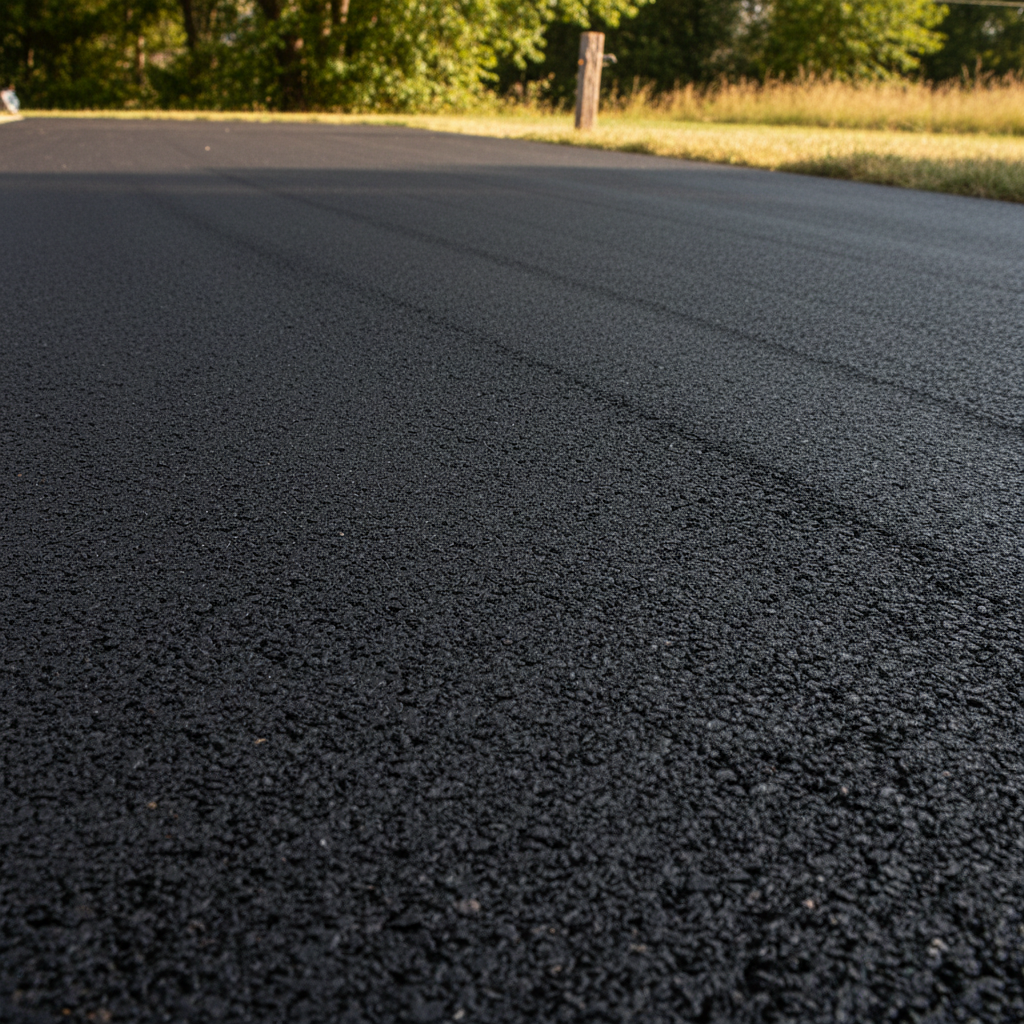
So, you're looking at your driveway and thinking it's time for a change, huh? Maybe it's cracked beyond repair, or you're finally putting in that new garage and need fresh pavement. Building a new driveway or doing a full tear-out and replacement isn't a small job, and it's definitely not something you want to mess up. I've seen plenty of folks try to tackle too much themselves, only to end up with a bigger headache and a bigger bill down the road. Let's walk through what you need to know, from planning to enjoying your smooth new surface.
Before You Start: Planning and Prep Work
First things first: what kind of driveway are we talking about? Asphalt, concrete, gravel? For most folks around Le Roy, asphalt is the go-to. It's durable, and it won't break the bank. But the principles for prep work are pretty similar no matter what you choose.
You need to think about drainage. This is huge. If water isn't shedding away from your house and foundation, you're asking for trouble. We get some serious spring thaws and heavy rains here in Central Illinois, so proper grading is non-negotiable. You want a slight slope, usually about 1/4 inch per foot, to guide water to a safe spot, like a ditch or a storm drain, not pooling up against your garage door.
Next, consider the base. This is the unsung hero of any good driveway. You can't just dump asphalt on dirt and expect it to last. You need a solid, compacted sub-base. For asphalt, that usually means 6-8 inches of compacted aggregate (like crushed stone). This provides stability, helps with drainage, and prevents your driveway from sinking or cracking prematurely. If you're tearing out an old driveway, you'll need to remove all the old material, dig down to a stable subgrade, and then build up that base.
Can you do this yourself? Some of the lighter stuff, maybe. If you're just extending a small section or doing a very short, simple path, you might be able to handle the digging and base compaction with rented equipment. But for a full driveway, especially one with significant grading challenges or a large area, you're going to need heavy machinery – excavators, skid steers, rollers. That's where a pro comes in. We've got the equipment and the experience to get that base absolutely perfect, which is critical for longevity.
During the Project: Laying the Pavement
Once your base is prepped and perfectly graded, it's time for the actual paving. This is almost exclusively a job for the pros, especially with asphalt. Here's why:
- Temperature Matters: Asphalt needs to be laid at specific temperatures. It comes out of the plant hot, and it cools quickly. You need a crew that can work fast and efficiently.
- Specialized Equipment: You'll need an asphalt paver, rollers of various sizes, and specialized hand tools for edges and tricky spots. You can't just rent these at your local hardware store.
- Expertise: Laying asphalt isn't just spreading it around. It requires skill to get the right thickness, density, and smooth finish. Improper compaction leads to a weak driveway that won't last.
Seriously, don't try to lay a full asphalt driveway yourself. I've seen the results, and they're rarely pretty or long-lasting. You'll end up with an uneven surface, poor drainage, and a driveway that starts failing within a year or two. It's a waste of money and effort. At Classic Asphalt Solutions, we've got the crew and the gear to get it done right the first time.
After the Paving: Curing and Care
So, the new driveway is down. Looks great, right? Now comes the waiting game. You can't just drive on it immediately. Asphalt needs time to cure and harden properly. Typically, you'll want to stay off it for at least 24-48 hours, sometimes longer depending on the weather and the mix. Avoid parking heavy vehicles on it for the first week or so. Think of it like a fresh coat of paint – you don't want to mess it up while it's still drying.
For the first 6-12 months, your new asphalt driveway is still relatively soft and pliable. Be careful with sharp turns of your steering wheel while stationary, as this can scuff or damage the surface. Avoid parking RVs, boats, or other heavy equipment on it for extended periods, especially in hot weather, as it can create depressions. Also, keep an eye out for any oil or gas spills; clean them up quickly, as they can break down the asphalt binder.
After that initial curing period, you'll want to think about sealcoating. This isn't something you do right away on a brand-new driveway. We usually recommend waiting 6-12 months for the asphalt to fully cure and for the oils to leach out. Sealcoating then protects your investment from UV rays, water penetration, and general wear and tear. It's like sunscreen for your driveway, and it's a critical step in making it last for decades.
A new driveway is a big investment, but it adds a lot of curb appeal and functionality to your home. Doing the right prep work and knowing when to call in the professionals for the heavy lifting will save you a lot of headaches and ensure you get a durable, beautiful surface that you'll enjoy for years to come.