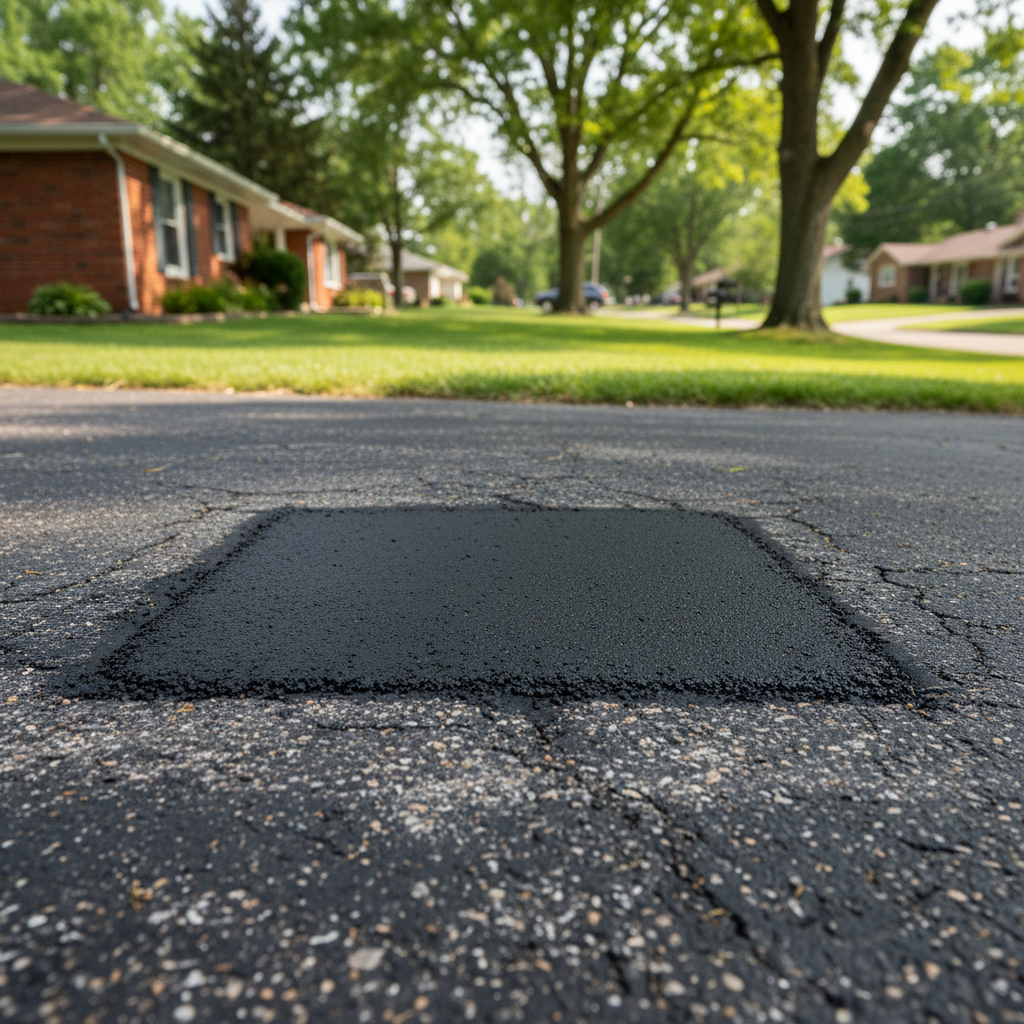
What's the difference between patching and a full replacement?
This is probably the most common question I get. Think of it like this: if you have a small hole in your wall, you patch it, right? You don't tear down the whole wall. Asphalt patching is for isolated areas of damage – potholes, significant cracks, or areas where the asphalt has started to crumble in a specific spot. It's about fixing the problem area without disturbing the rest of the pavement that's still in good shape.
A full replacement, on the other hand, means tearing out the entire existing asphalt surface, preparing the base again, and laying down new asphalt from scratch. You go this route when the damage is widespread, like if you have alligator cracking across most of your driveway, significant heaving, or if the base underneath is failing in multiple spots. Patching saves you money and time if the damage is localized, but it's not a magic bullet for a pavement that's past its prime.
When is the best time of year to get patching done around Le Roy?
Honestly, the best time for asphalt patching is when the weather is warm and dry. Here in Le Roy, that usually means late spring, summer, and early fall. You want temperatures consistently above 50 degrees Fahrenheit, and definitely no rain in the forecast for at least 24 hours after the work is done. The asphalt needs to cure properly, and moisture can mess with the adhesion and strength of the patch.
Trying to patch in freezing temperatures or when it's wet is just asking for trouble. The patch won't bond right, it'll likely fail quickly, and you'll be paying for the same repair twice. We've seen plenty of folks try to put off repairs until late in the season, but it's usually better to wait for optimal conditions if you want the patch to last.
What kind of damage can asphalt patching fix?
Patching is great for several types of damage. We're talking about:
- Potholes: These are the classic, bowl-shaped depressions that form when water seeps into cracks, freezes, expands, and then thaws, breaking up the asphalt. We cut out the damaged area, clean it, and fill it with new asphalt.
- Alligator cracking (localized): If you've got a small area that looks like alligator skin, where the cracks are interconnected and form a pattern, we can cut that section out and patch it. If it's widespread, you're probably looking at a bigger job.
- Utility cuts: When utility companies dig up your driveway or parking lot for repairs, they often leave a rough patch. We can come in and make that area smooth and uniform again.
- Edge deterioration: Sometimes the edges of your driveway start to crumble, especially if they're not supported by a curb or adjacent lawn. Patching can fix these weak spots.
What it *can't* fix is a failing base layer across your entire driveway or widespread structural issues. That's when you need to consider a more extensive repair or replacement.
How long does an asphalt patch usually last?
That's a tough one to give a precise number on because it depends on a few things: the quality of the original asphalt, the type of patch, the traffic it sees, and how well it's maintained. A properly installed patch, using good materials, can last anywhere from 3 to 7 years, sometimes even longer.
But here's the kicker: a patch is only as good as the surrounding pavement. If the rest of your driveway is old and deteriorating, new cracks might form right next to the patch. Think of it like putting a new tire on a car with three bald ones – it helps, but the other issues are still there. Regular sealcoating after patching can definitely extend the life of both the patch and your entire pavement.
Can I patch it myself, or should I call a pro like Classic Asphalt Solutions?
You *can* buy cold patch asphalt at the hardware store and fill a pothole yourself. For a very small, shallow pothole that's not in a high-traffic area, it might hold for a little while. But let me be straight with you: it's usually a temporary fix, and it rarely looks professional or lasts very long.
Professional patching, like what we do at Classic Asphalt Solutions, involves specialized equipment. We use hot mix asphalt, which is much more durable and bonds better than cold patch. We also properly cut out the damaged area, clean the base, apply a tack coat for adhesion, and compact the new asphalt with heavy machinery. This creates a seamless, long-lasting repair that blends in much better with your existing pavement. If you want a repair that actually lasts and looks good, you really need to call in the pros. Especially with our clay-heavy soil around Le Roy, proper compaction is key to preventing future settlement.
What's the process for getting a patch done?
When you call us out for a patching job, here's generally how it goes:
- Assessment: We'll come out and take a look at the damage. We'll measure the area, assess the depth, and figure out what caused it. This helps us recommend the best patching method.
- Preparation: We'll mark out the area to be cut. For potholes or larger cracks, we usually saw-cut a neat, rectangular or square shape around the damaged section. This ensures clean edges for the new asphalt to bond to.
- Removal: We then remove the old, damaged asphalt and debris. We clean out the hole thoroughly, making sure there's no loose material or dirt.
- Base Inspection & Repair (if needed): If the base layer underneath is compromised, we'll address that first. A stable base is crucial for a long-lasting patch.
- Tack Coat: We apply a sticky asphalt emulsion, called a tack coat, to the edges and bottom of the prepared area. This helps the new asphalt bond strongly to the old pavement.
- Asphalt Application: We fill the area with hot mix asphalt. We lay it down in layers if it's a deep patch, making sure each layer is properly compacted.
- Compaction: This is super important. We use compactors to press the new asphalt firmly into place, making it dense and level with the surrounding pavement. This prevents future settling and ensures durability.
- Cleanup: We clean up the work area, leaving your property tidy.
It's a pretty straightforward process, but getting each step right is what makes the difference between a patch that holds up and one that fails quickly.
Will the patch match my existing driveway perfectly?
That's a common concern, and I'll be honest with you: probably not perfectly. When new asphalt is laid, it's very dark black. Over time, your existing driveway has oxidized and faded due to sun exposure, rain, and general wear and tear. So, a new patch will almost always look darker and stand out a bit at first.
However, with time and exposure to the elements, the new asphalt will start to fade and blend in more with the older pavement. If you really want a uniform look, the best approach after patching is to have your entire driveway sealcoated. Sealcoating applies a fresh, dark layer over everything, making the patch virtually invisible and giving your whole driveway a rejuvenated appearance. It also protects your asphalt, so it's a win-win.
How can I prevent potholes and cracks from forming in the first place?
Prevention is always cheaper than repair, right? Here are my top tips:
- Sealcoating: This is your first line of defense. A good sealcoat every 2-3 years protects your asphalt from UV rays, water penetration, and chemicals like oil and gas. It keeps the asphalt flexible and prevents those tiny cracks from forming.
- Drainage: Make sure water isn't pooling on your driveway. Proper drainage is critical. If water sits, it'll eventually seep in and cause damage, especially with our freeze-thaw cycles here in Central Illinois.
- Cleanliness: Keep your driveway free of dirt, debris, and vegetation. Weeds growing through cracks can make them worse.
- Address small cracks quickly: Don't let small cracks become big problems. If you see a crack, get it filled and sealed. It's much cheaper to fill a crack than to patch a pothole.
- Avoid heavy loads: Try not to park excessively heavy vehicles on your asphalt for long periods, as this can stress the pavement.
Taking these steps can significantly extend the life of your asphalt and keep those pesky potholes at bay. If you've got questions about your specific situation, just give us a call at Classic Asphalt Solutions. We're always happy to take a look.